Starting a fitness clothing brand comes down to a handful of concrete decisions, in order — niche, product line, fabric spec, manufacturing partner, and launch. Here's the practical path through each one.
Step 1: Define Your Niche and Target Athlete
"Fitness clothing" is too broad a starting point — running, weightlifting, yoga, and team sports all demand different fabric, fit, and features. Before anything else, get specific about who you're designing for and what activity the clothing needs to genuinely perform well in. A brand built around a clear niche (e.g. "compression wear for competitive runners") is easier to design for, market, and manufacture consistently than one trying to serve everyone.
Step 2: Design Your Product Line
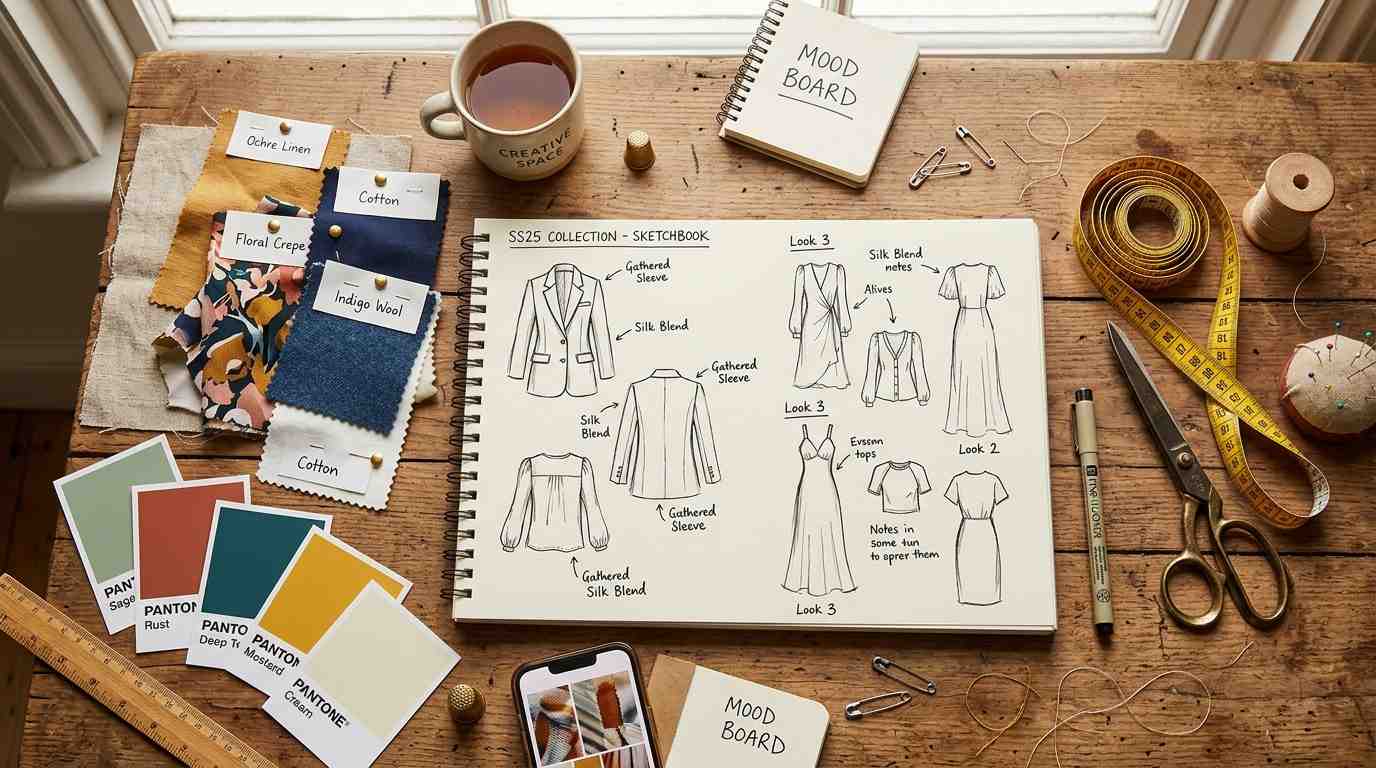
Start narrow. A first collection of 3–6 core pieces — built well and genuinely fit for their purpose — outperforms a large, thin catalog for a new brand with no track record yet. Decide your silhouettes, colorways, and sizing range before approaching a manufacturer; walking in with a vague concept instead of real specs leads to slower quoting and more revision cycles.
Step 3: Choose Fabric and Manufacturing Specs
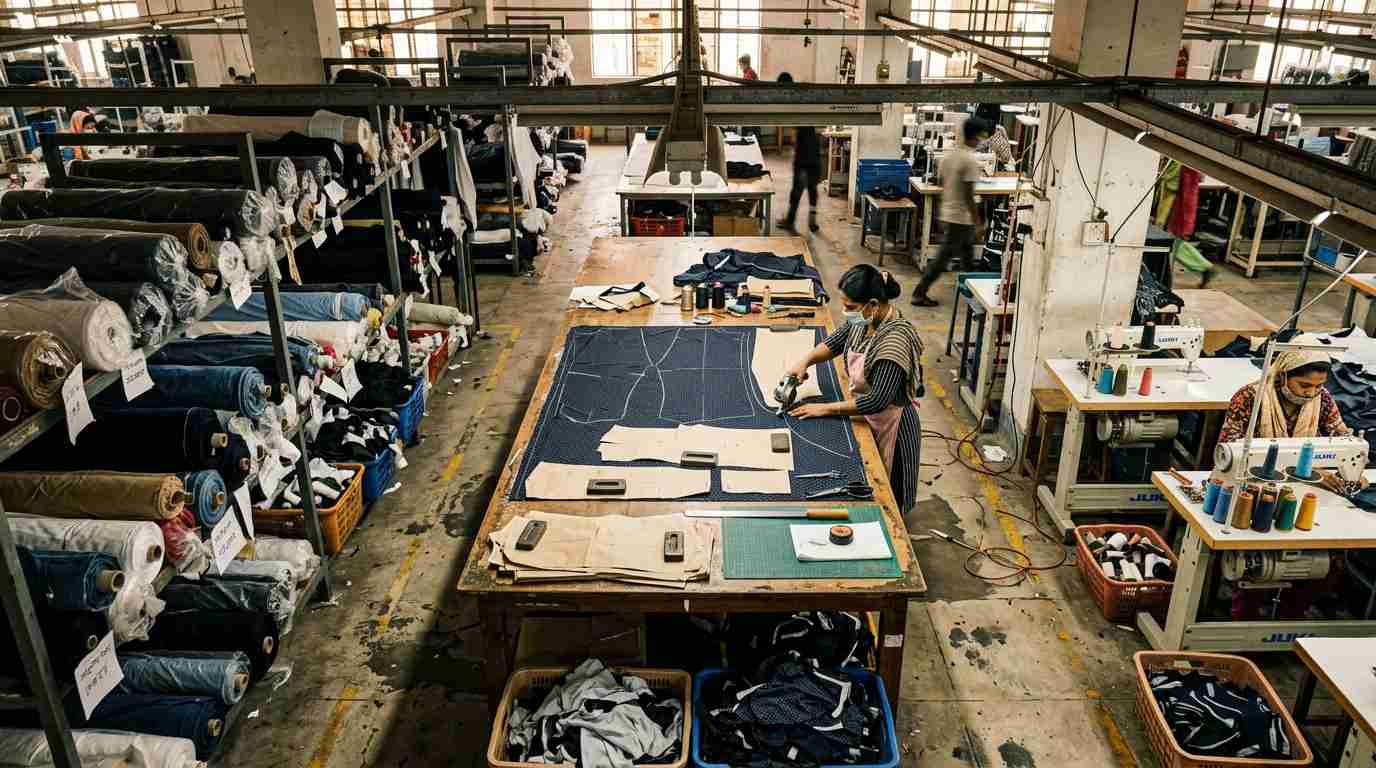
This is where niche and product decisions turn into a real manufacturing spec: fabric weight (GSM), fiber blend (see our guides on elastane and moisture-wicking fabric), stitching type, and finishing all need to be decided based on what the garment actually needs to do — compression wear and loose training tees have entirely different fabric requirements. A manufacturer can help refine this, but arriving with a rough idea of weight, stretch, and finish speeds up sampling significantly.
Step 4: Find a Manufacturing Partner
Two main paths: OEM (manufacturing to your exact custom specifications) or private label (your branding applied to a garment built to your requirements). Look for a factory that will produce a real sample before committing to bulk production, is transparent about MOQ (minimum order quantity), and can quote lead time clearly. See our Custom & Private-Label Sportswear page for how OEM/private-label manufacturing actually works.
Step 5: Sampling and Quality Control
Never skip the sample stage, even under time pressure. A sample is the only way to confirm fit, fabric hand-feel, stitching quality, and color accuracy before committing to a bulk order — catching a sizing or fabric issue at the sample stage costs a revision; catching it after a bulk run costs the whole order.
Step 6: Branding, Packaging, and Launch
Labels, hangtags, and packaging are part of the product experience, not an afterthought tacked on at the end — factor them into your manufacturing timeline and budget from the start, not after production is already underway. Plan your launch inventory conservatively for a first run; it's easier to reorder a style that sells than to carry excess stock of one that doesn't.
Common Mistakes to Avoid
- Designing too broad a first collection instead of a focused, well-executed core line
- Skipping the sample stage to save time, then finding fit or fabric issues in the bulk order
- Not asking about MOQ and lead time upfront, leading to budget or timeline surprises
- Treating fabric spec as an afterthought instead of deciding it based on the garment's real use case
Starting Your Fitness Brand With Us
As a factory-direct manufacturer, we work with new and established fitness apparel brands on OEM and private-label production — from a single sample through to bulk orders. If you're at the sourcing stage, our team can walk through fabric options, MOQ, and lead time for your first collection.
