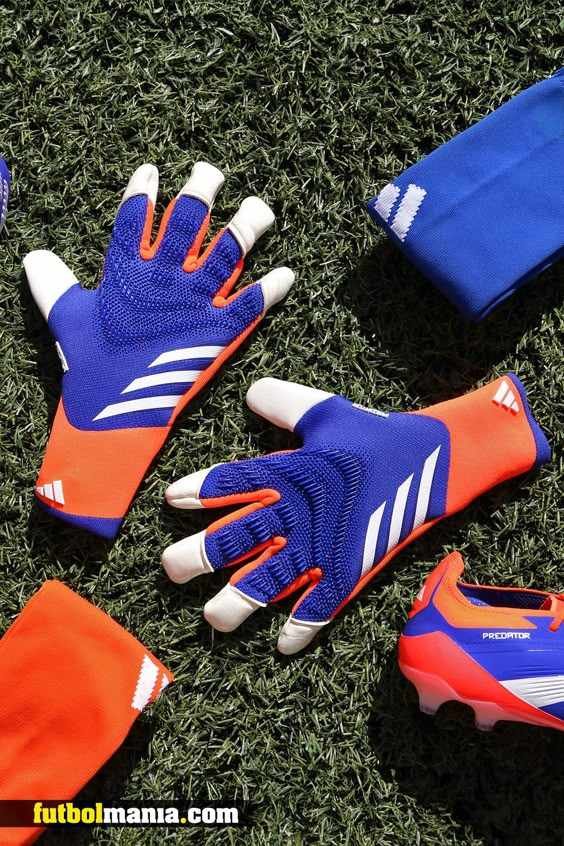
Cuts, latex, closures and sampling explained, so you can write a clear brief before you order private-label goalkeeper gloves.
If you are launching a goalkeeper glove range or adding gloves to a sports retail catalogue, knowing how a glove is built helps you write a clear brief and judge samples. This guide covers the decisions that change how a glove plays, how long it lasts and what it costs.
Buying in bulk? See our wholesale sports goods page for materials, customization and ordering.
The parts of a goalkeeper glove
- Palm: the latex catching surface, the part that matters most for grip.
- Backhand: the outer shell, usually synthetic, often with punching zones.
- Gussets: the side panels between the fingers in some cuts.
- Wrist closure: a strap, a long bandage-style wrap, or a strapless knit cuff.
- Lining and labels: inner comfort layers, size labels and branding.

Step 1: Choose the cut
The cut decides how the palm is joined to the backhand.
- Flat palm: stitched on the outside with gussets. A wide, traditional fit.
- Negative cut: stitched on the inside, so the glove sits tight to the fingers.
- Roll finger: the latex wraps around each finger, adding contact area.
- Hybrid: mixes cuts, for example roll fingers with a negative-cut palm.
Many brands offer two or three cuts so keepers can pick the fit they prefer.
Step 2: Choose the palm latex
Grip comes mostly from latex. Softer, stickier latex usually grips better but wears faster. Tougher latex lasts longer, especially on artificial turf, which makes it a better choice for training and junior gloves. Thickness changes cushioning and feel. Suppliers name latex grades differently, so judge a sample in use rather than relying on a grade name alone.
Step 3: Backhand, closure and protection
Backhand material affects comfort and the feel of punching the ball. Closures range from a classic strap, to long wraps for wrist support, to strapless knit cuffs. Some gloves add finger protection. If you sell protection features, ask your manufacturer what testing, if any, supports the claim, and only describe what you can document.
Step 4: Sizing
Glove sizes follow hand measurements and run from junior to adult. Cut changes fit: a negative-cut glove of the same size feels tighter than a flat palm. Approve fit on samples for each cut you plan to sell.
Step 5: Branding and packaging
Logos usually go on the backhand and strap. A range normally needs model names, size labels, swing tags and glove bags or boxes. Settle these in the brief so the first sample shows the finished retail product.

Step 6: Sampling and production
- Send cut, latex preference, sizes, quantities and artwork.
- Review a pre-production sample for fit, grip, stitching and branding.
- Approve the sample in writing; bulk production is checked against it.
Our sampling process and quality inspection pages explain each stage.
Frequently asked questions
Can I order different cuts in one order?
Usually yes. Minimum quantities may apply per cut or colourway; your quotation confirms them.
Which glove is best for artificial turf?
A tougher, longer-lasting latex is usually the better choice. Test it on a sample.
Start your glove range
See our custom goalkeeper gloves, read about private-label manufacturing, or request a quote with your brief.
