From the cork core to the hand-stitched seam: how cricket balls are built, what separates grades, and what to specify in a bulk order.
Cricket balls look simple, but the way they are built decides how they swing, seam, bounce and last. If you supply clubs, schools or retailers, knowing the construction helps you choose grades and compare suppliers. This guide explains each stage.
Buying in bulk? See our sports balls manufacturer page for materials, customization and ordering.

Step 1: The core
A traditional leather cricket ball starts with a small core, usually cork or a cork-and-rubber mix. Layers of cork are built up around it and bound tightly with twine. This inner part is often called the quilt. How tightly it is wound affects how hard the ball feels and how well it keeps its shape.
Step 2: The leather cover
The cover is made from leather pieces that are dyed, cut and shaped into cups.
- Two-piece balls: two leather cups joined around the middle. Common for training and lower-cost balls.
- Four-piece balls: each half is made from two pieces, giving a more even shape. Usually used for higher match grades.
Step 3: Stitching the seam
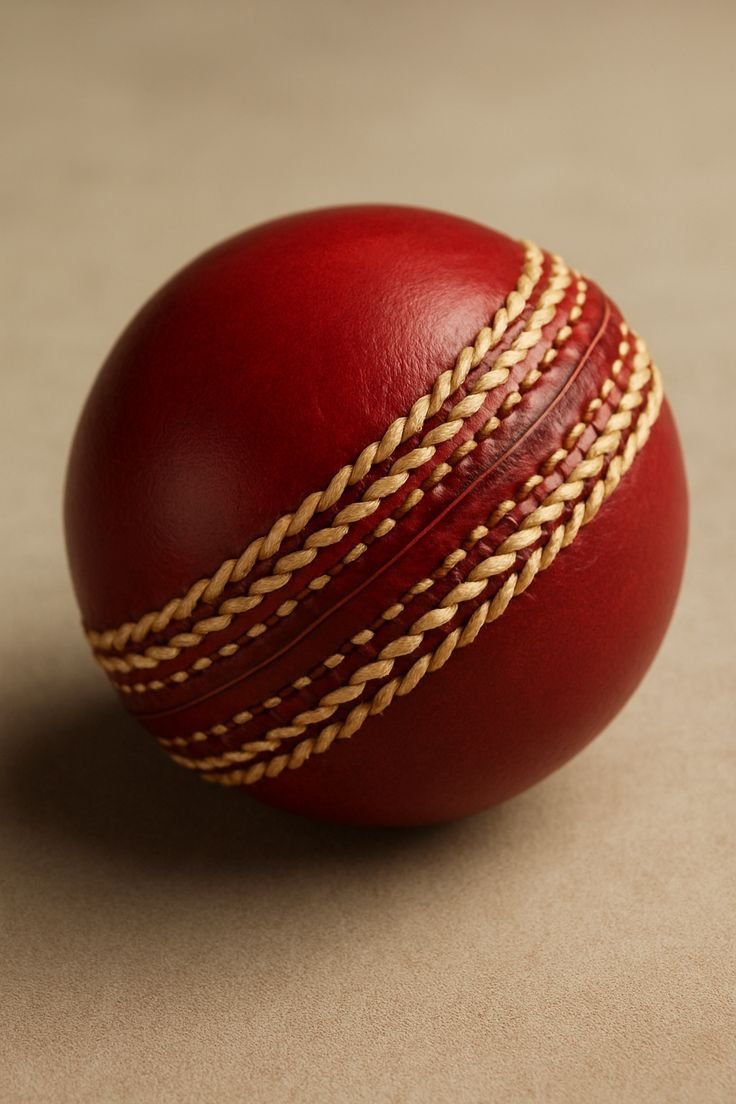
The two halves are stitched together to form the raised seam. Traditional match balls have six rows of stitching on the main seam, and higher grades are usually hand-stitched. The seam is what bowlers grip, so stitch quality matters for both performance and durability.
Step 4: Finishing
The ball is shaped, the cover is coloured and polished, and the maker's stamp and grade are added. Red balls are traditional for longer formats, white balls for limited-overs cricket in coloured clothing, and pink balls for day-night games.
Size and weight rules
The MCC Laws of Cricket (Law 4) set separate weights and circumferences for men's, women's and junior balls. A men's ball, for example, weighs 155.9 g to 163 g. Competitions may also require their own approved balls, so check before you buy.
Choosing grades for your customers
- Match grade: for club fixtures and school matches.
- Training grade: tougher and lower in cost, for nets and practice.
- Synthetic and soft balls: for juniors, coaching and indoor cricket.
What to send a manufacturer
- Grades, colours and quantity of each
- Men's, women's or junior sizes
- Branding: logo, model name, stamping
- Packaging and destination country
Always approve samples of each grade before bulk production. See our sampling process.
Frequently asked questions
Why do cricket balls lose shape?
Usually because of the core winding, stitching or leather quality. Ask for samples and test them in nets.
Can I sell cricket balls under my own brand?
Yes. Your logo, model name and packaging can be added. See private-label manufacturing.
Order custom cricket balls
See our custom cricket balls, pair them with cricket uniforms, or request a quote.

