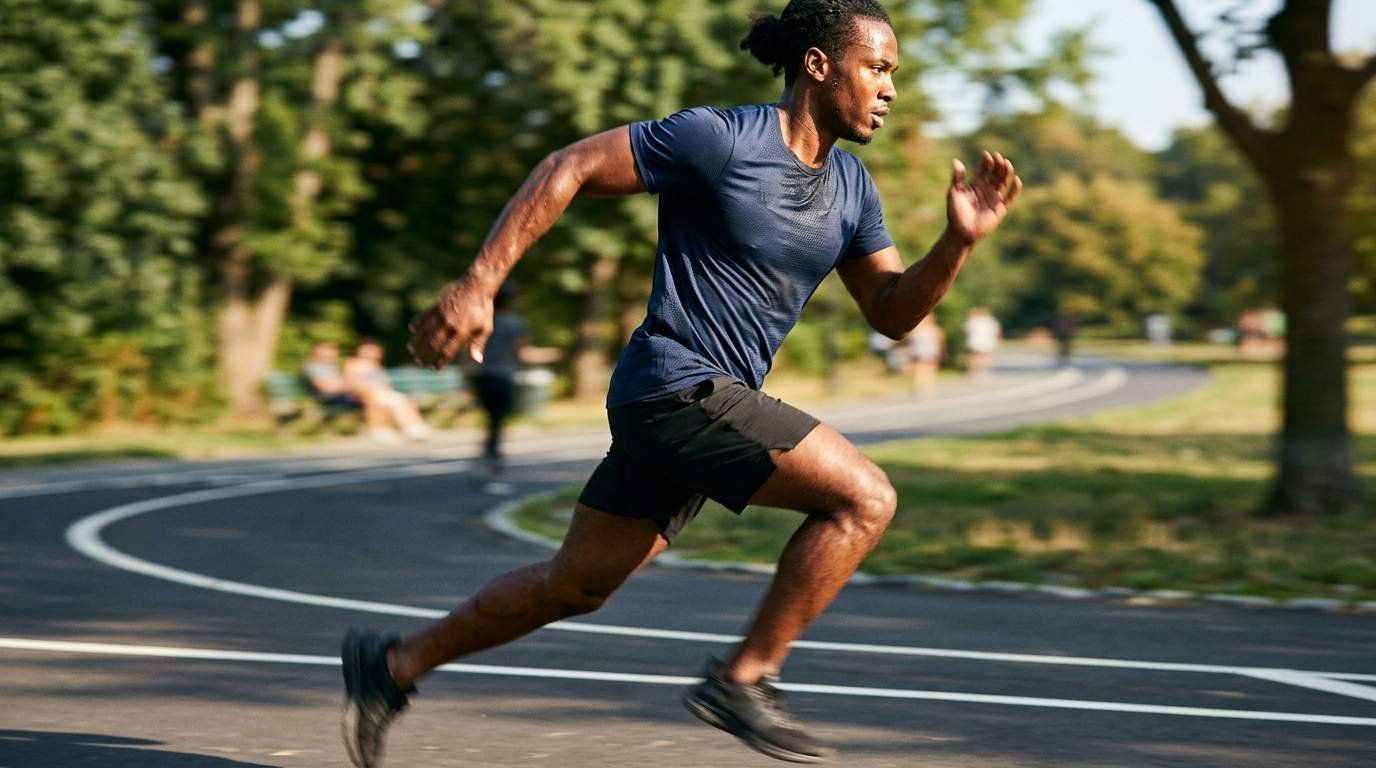
"Dri-FIT" is Nike's trademarked name for moisture-wicking fabric technology — here's what it actually means, how moisture-wicking works, and what generic alternatives exist for custom manufacturing.
What Is Dri-FIT?
Dri-FIT is Nike's registered trademark for its moisture-wicking fabric technology, first introduced in the late 1990s. It's a brand name, not a generic fabric type — only garments manufactured and sold by Nike can legally be labeled "Dri-FIT." What most people searching for this term actually want to understand, though, is the underlying technology: how moisture-wicking fabric works, regardless of which brand's name is on the label.
This distinction matters if you're sourcing fabric or manufacturing apparel: no factory outside Nike's own supply chain can produce or sell "Dri-FIT" fabric. What every performance-wear manufacturer can produce is generic moisture-wicking fabric, built on the same underlying fiber science, sold under its own name.
How Does Moisture-Wicking Fabric Actually Work?
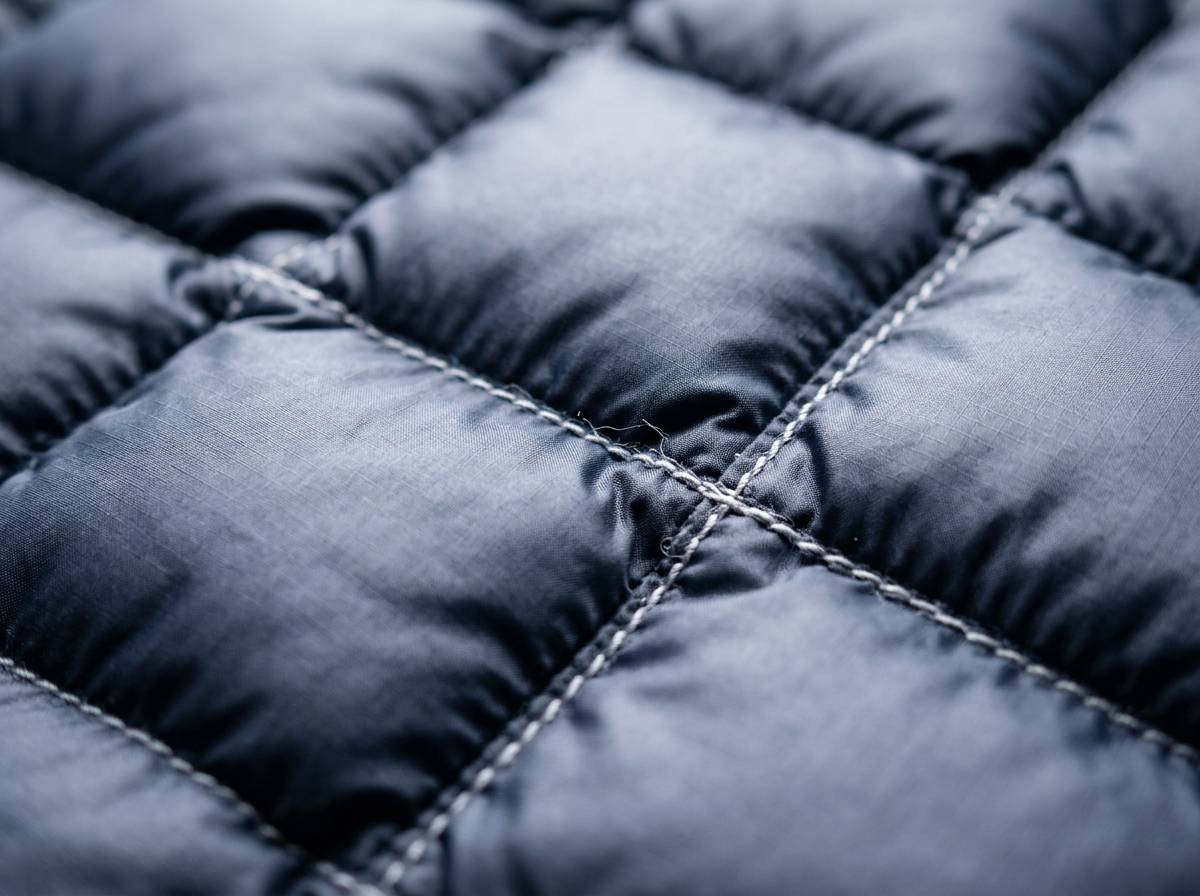
Moisture-wicking fabric doesn't absorb sweat the way cotton does — it moves it. The fabric is engineered with fibers that are hydrophobic (water-repelling) on the outer surface and structured to pull moisture through the fabric via capillary action, spreading it across a wider surface area on the outside where it can evaporate faster.
The practical result: instead of sweat soaking into the fabric and sitting against the skin (as happens with cotton), it's pulled away from the body and dispersed for faster evaporation, keeping the wearer drier during activity.
What Is Moisture-Wicking Fabric Made From?
Most moisture-wicking performance fabric is polyester-based, sometimes blended with a small percentage of elastane for stretch. Polyester is used because its fibers are naturally hydrophobic and can be engineered into the specific weave structures (micro-channels between fibers) that drive the wicking effect. Cotton is the opposite — it's highly absorbent, which is exactly why it performs poorly for sweat management in athletic wear despite being comfortable for everyday clothing.
Dri-FIT vs Generic Moisture-Wicking Fabric — Is There a Difference?
Functionally, not much. Dri-FIT is Nike's specific formulation and branding of moisture-wicking polyester, but the core technology — hydrophobic fiber engineering plus a wicking weave structure — is the same principle used across the industry under different names: Climacool, Coolmax, and countless unbranded "moisture-wicking" or "performance" fabric lines from apparel manufacturers worldwide.
For a buyer sourcing custom team jerseys or performance wear, the practical question isn't "can I get Dri-FIT" (you can't — it's proprietary to Nike), it's "what moisture-wicking fabric weight, weave, and polyester/elastane blend fits my garment's use case."
What to Specify When Sourcing Moisture-Wicking Fabric
- Fabric weight (GSM) — lighter fabric wicks and dries faster but offers less durability; heavier fabric holds up better to repeated wash cycles
- Weave structure — mesh and pique weaves increase airflow and wicking surface area compared to a tight, flat weave
- Polyester percentage — higher polyester content generally means better wicking performance; blends with natural fibers trade some wicking ability for feel
- Elastane content — relevant for fitted garments (jerseys, compression wear) where stretch and recovery matter alongside moisture management
Moisture-Wicking Fabric in Sportswear Manufacturing
As a factory-direct manufacturer, we produce custom team jerseys and performance apparel using moisture-wicking polyester fabric — specified to the garment's actual use case rather than a single fixed blend. If you're sourcing fabric for a bulk order, our team can walk through weight and weave options for your sport and use case.
