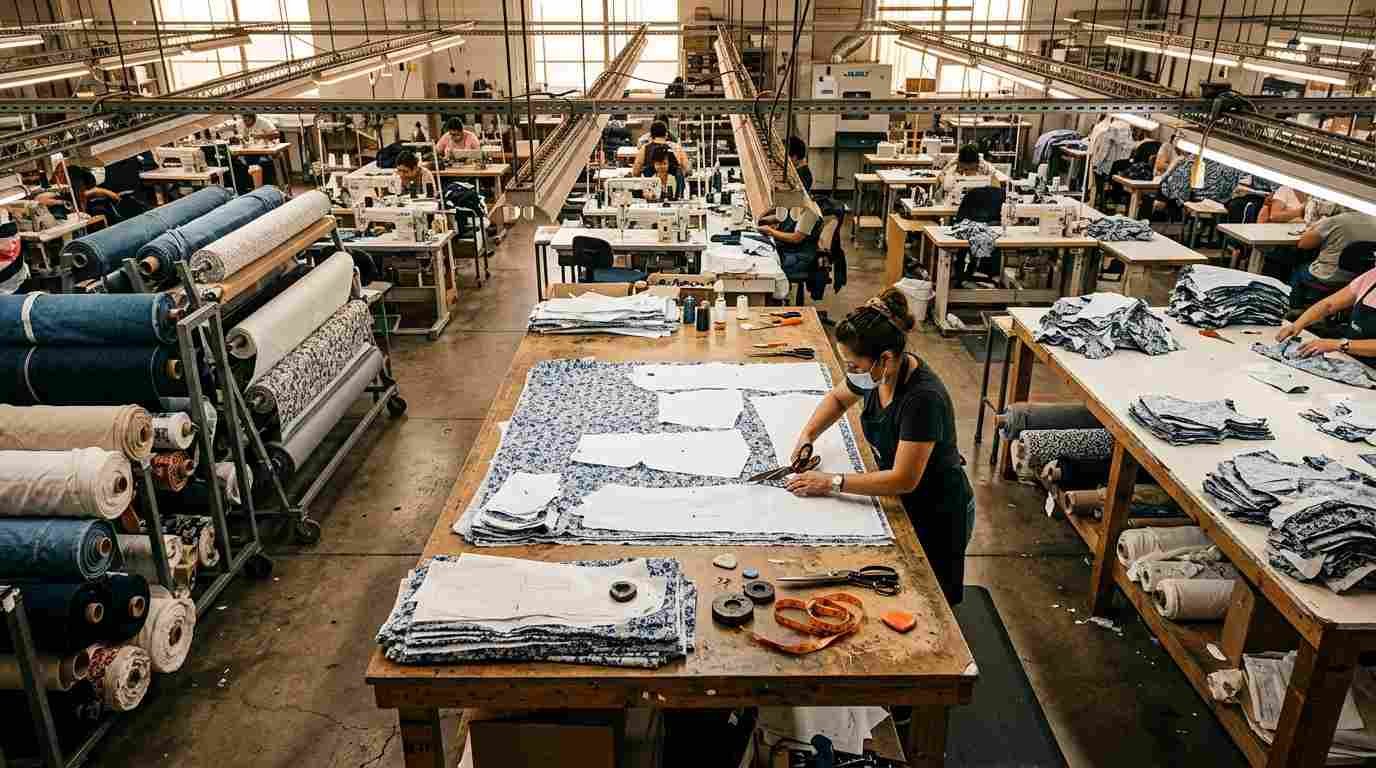
Compression clothing gets marketed with big claims. Here's what it actually does, based on how the garment is built, without overstating what tight fabric can and can't do.
What Is Compression Clothing?
Compression clothing is athletic apparel engineered to fit snugly against the body and apply consistent, graduated pressure to the muscles underneath — unlike a regular fitted t-shirt, which just fits close without any deliberate pressure profile. This is achieved through a high-elastane fabric blend (commonly 15–20% elastane, see our elastane fabric guide) knitted specifically to stretch and hold tension evenly across the garment.
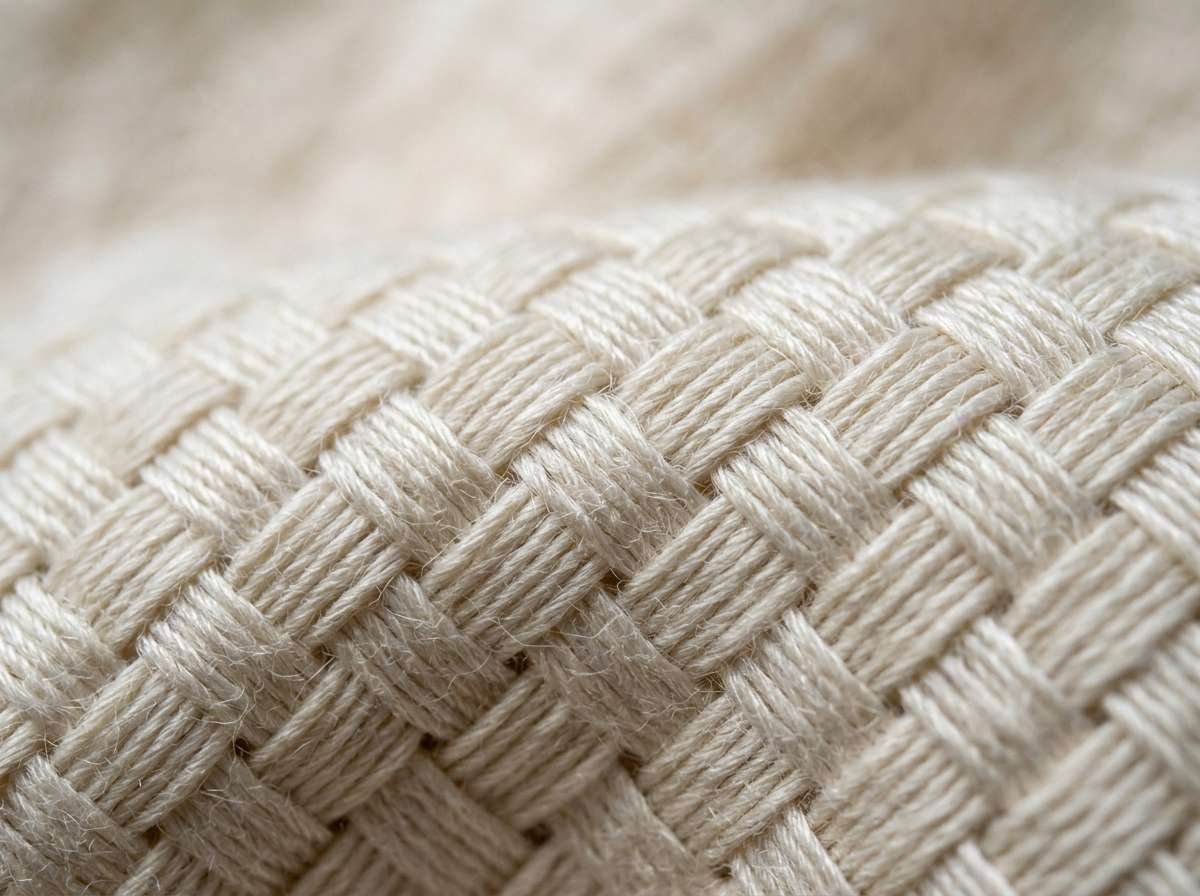
What Compression Clothing Actually Does
- Reduces muscle oscillation — the snug fit limits how much muscle tissue vibrates and moves during high-impact activity, which many athletes report as reduced muscle fatigue and soreness during and after exercise
- Supports joints — the consistent pressure around joints like knees and elbows provides a mild stabilizing effect during movement
- Regulates temperature — most compression fabric is also moisture-wicking, so it manages sweat in addition to fitting tightly
- Improves proprioception — the pressure against the skin can increase body awareness during movement, which some athletes find helps with form and coordination
Compression clothing is not a medical device, and the claims around blood flow and circulation benefits are genuinely mixed in the research — medical-grade compression garments (used for circulation conditions) are a different, clinically regulated product from athletic compression wear, and the two shouldn't be confused. What's well-supported is the mechanical benefit: less muscle movement, more consistent temperature and moisture management, and a supportive, secure fit.
Who Benefits Most from Compression Wear?
- Athletes in high-impact, repetitive-motion sports (running, basketball, soccer) where reduced muscle oscillation matters most
- Anyone layering compression wear as a base layer under a team jersey or uniform, for both fit and moisture management
- Athletes recovering from training who want a snug, supportive garment during light activity or travel
Choosing the Right Compression Garment
Fit is what makes or breaks compression wear — too loose and it's just a regular fitted shirt with none of the actual mechanical benefit; too tight and it restricts movement rather than supporting it. The elastane percentage, fabric weight, and panel construction (some compression garments use zoned compression, with tighter panels in specific muscle areas) all affect how the finished garment actually performs, which is why compression wear specification matters more than for a standard loose-fit garment.
Compression Wear Manufacturing
As a factory-direct manufacturer, we produce custom compression apparel — base layers, sleeves, and fitted performance wear — using elastane-blend fabric specified to the garment's actual use case. See our wholesale compression wear page for bulk and private-label options.
